
Fixing Rushed Rhythm in Simple Songs: Subdivision Drills That Actually Work
If you rush in “easy” songs, the issue usually isn’t the song—it’s the space between the clicks. Learn practical subdivision drills (with exact metronome setups) to stop speeding up, lock in strumming and melodies, and *
Chord Changes That Buzz or Mute Strings: Targeted Left-Hand Pressure Drills
Fix buzzy or muted chord changes with a fast diagnosis, minimum-pressure training, and drill-based chord-transition practice that targets finger placement, release timing, and clean string clearance.
Practicing Hands Separately: When It Helps—and When It Slows You Down
Hands-separate practice can be a powerful tool for learning notes, fixing technique, and reducing overload—but it can also delay coordination if you rely on it too long. Here’s a practical, research-informed way to know—
How to Use a Metronome Without Becoming Dependent on It

A metronome should sharpen your internal pulse, not replace it. Here is a practical system for using the click, thinning it out, and proving your time still holds when it disappears.
Why Slow Practice Still Fails When Musicians Use It the Wrong Way

Slow practice is useful, but it is not magic. When musicians slow down without preserving pulse, sound, and the real motion of the passage, they often rehearse a weaker version of the problem instead of solving it.
The Hidden Timing Problem That Makes Good Notes Sound Amateur

If a part is musically correct but still feels cheap, the problem is often timing at the front edge of the sound, not note choice. This guide shows how to diagnose note placement, sound attack, and monitoring latency so
The Ugly Truth About Sloppy Practice: You’re Training Mistakes Into Muscle Memory
Sloppy practice doesn’t just waste time—it can hardwire bad timing, weak positions, and inconsistent decision-making. Learn how “muscle memory” actually forms, how mistakes get reinforced, and how to structure practice (
The One-Measure Practice Method for Fixing Mistakes That Keep Coming Back
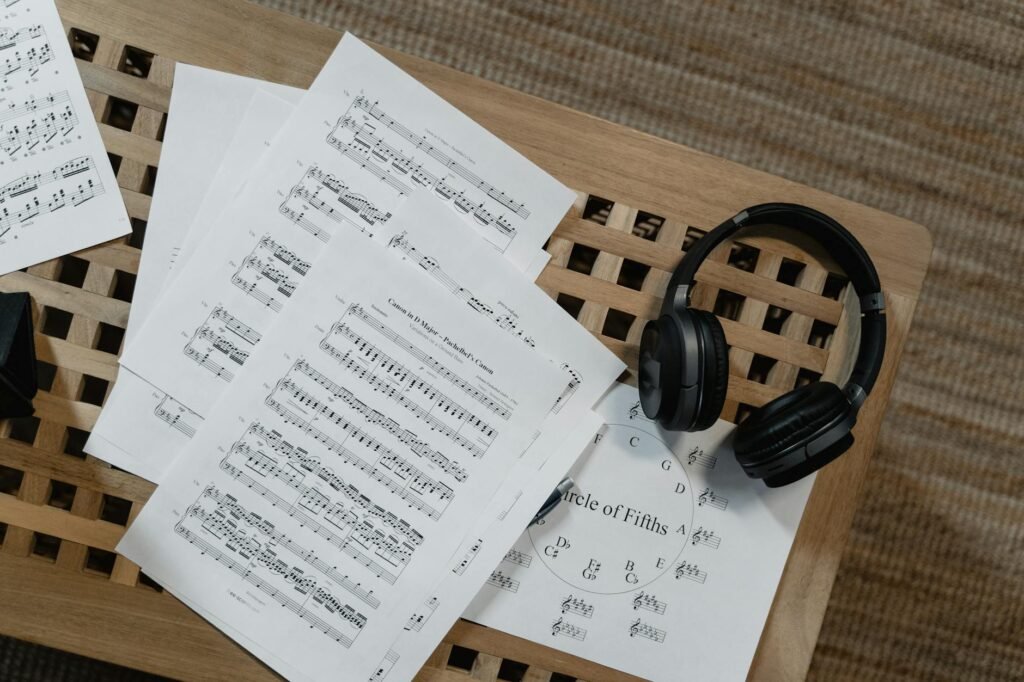
If the same spot falls apart every day, the answer usually is not more full run-throughs. This article lays out a practical one-measure method musicians can use to isolate, diagnose, and actually fix recurring mistakes.